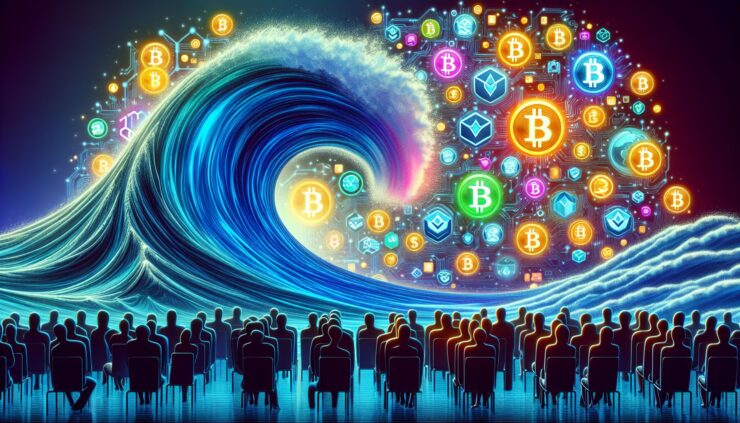

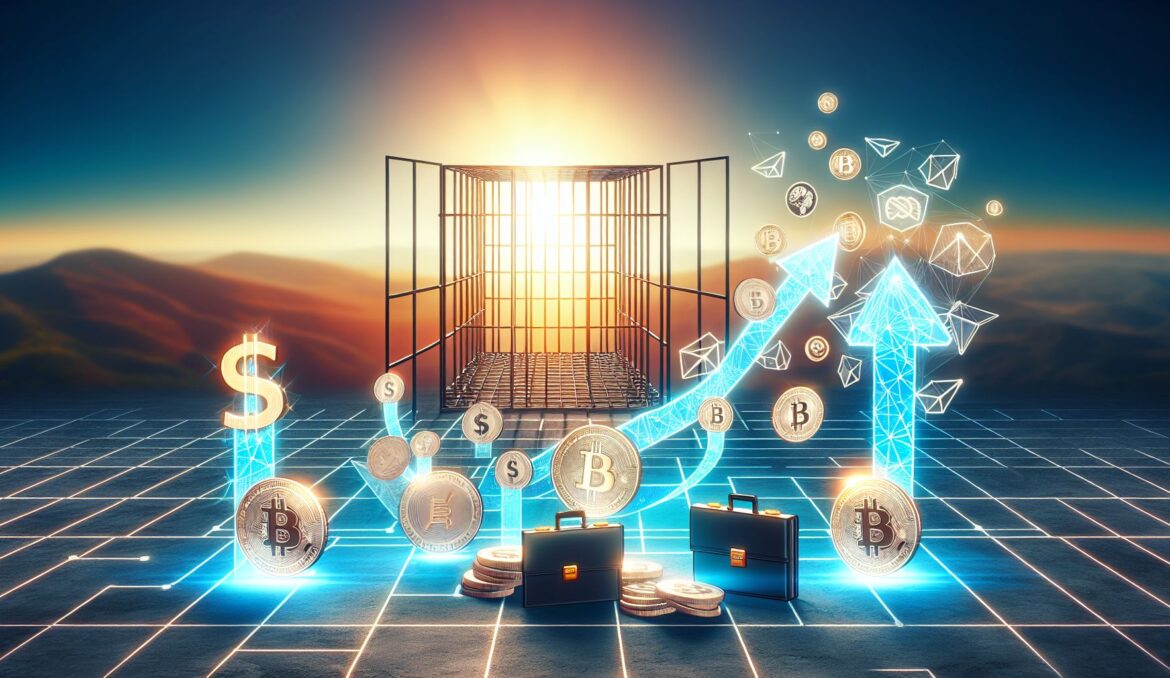
The world of finance has been undergoing a remarkable transformation, shifting power from traditional institutions to the hands of the people. At the forefront of this revolution is Decentralized Finance, commonly known as DeFi. DeFi is an emerging alternative to the global banking system, leveraging the power of blockchain technology to make financial services open, transparent, and accessible to everyone, everywhere.
Introduction
Gone are the days when individuals had to rely solely on banks and traditional financial intermediaries to access loans, earn interest, or trade assets. DeFi is rewriting the rules of the economic game, offering a suite of financial services without the need for a central authority. From lending and borrowing platforms to stablecoins and tokenized BTC, the possibilities within DeFi are as vast as they are revolutionary.
The Body of DeFi
DeFi’s ecosystem is underpinned by smart contracts on various blockchain networks, with Ethereum leading the pack. These self-executing contracts with the terms of the agreement between buyer and seller directly written into code are the backbone of DeFi applications (DApps). These DApps provide services such as:
-
Yield Farming: Users can earn rewards by staking or lending cryptocurrency assets. This has become one of the most popular DeFi activities, offering potentially high returns.
-
Decentralized Exchanges (DEXs): Platforms like Uniswap allow for peer-to-peer trading of cryptocurrencies without the need for a central intermediary, offering greater security and privacy.
-
Lending Platforms: Protocols like Aave and Compound enable users to lend out their crypto and earn interest, or borrow against their crypto holdings.
-
Stablecoins: To combat the inherent volatility of cryptocurrencies, DeGFIs introduce stablecoins which are pegged to real-world assets, typically fiat currencies, offering price stability.
The beauty of DeFi is not just in the services it provides, but in the ethos it stands for – one of inclusivity. Anyone with an internet connection and a digital wallet can access DeFi platforms, regardless of their location or economic status.
Summary
DeFi is still in its infancy, and with that comes challenges such as scalability, interoperability, and regulatory uncertainty. However, its potential to democratize finance is unparalleled. As the ecosystem matures, we can expect DeFi to become a significant part of the global financial landscape, empowering millions with tools for economic freedom. For risk-takers and pioneers, DeFi presents an arena of opportunities waiting to be explored. As with any financial endeavor, due diligence and a measure of caution are advised, but for those eager to be part of the financial revolution, DeFi is the next frontier worth venturing into.