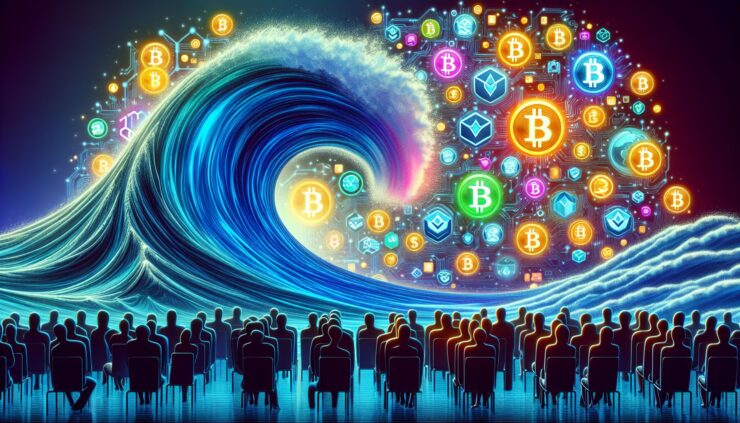


Defining the paradigm of the financial world, blockchain-based decentralized finance, commonly known as DeFi, stands out as a groundbreaking innovation. With many pros outmuscling the cons, DeFi is redefining the economic landscape, granting financial sovereignty to all.
Why DeFi Matters
The concept of DeFi is revolutionary, owing to its primary objective of promoting financial inclusion. But what exactly is DeFi and why should you really care? Well, DeFi is the utilisation of blockchain technologies and cryptocurrencies to recreate and improve upon current financial systems. From lending and borrowing platforms to stablecoins and tokenized BTC, the DeFi ecosystem unlocks creative avenues for advanced and improved representations of the traditional financial instruments.
A Decentralized Ecosystem
Unlike traditional finance, DeFi is characterized by an open, interoperable, programmable, and composable nature. Being decentralized offers DeFi the advantage of not being controlled by a single entity, government or institution. Moreover, it solves the problem of trust between parties and reduces the prohibitive costs associated with middlemen.
The DeFi sphere cultivates this decentralized landscape by entering into protocols governed by smart contracts, thereby ensuring the autonomous and transparent execution of transactions.
Getting Started with DeFi
If this innovation has grabbed your attention, it’s now time to become a part of this revolution. Accessing DeFi will require a computer running on a blockchain network that supports smart contracts. You’ll need your digital wallet installed with a little bit of cryptocurrency and voila; you are ready to explore the realms of Decentralized Finance. However, always remember to undertake adequate research and understand the associated risks before venturing into this space.
Conclusion: Why You Should Pay Attention
The benefits feasibly attached to DeFi are more comfortable access, without geographical restrictions, cost reduction, transparency, privacy, and inclusion of unbanked populations. DeFi platforms are sustainable and multiplication platforms, especially when staking protocols are employed.
It’s important to recognise that like any other technology out there, DeFi too is not without its setbacks; the primary one being the risk factor and volatility. However, with the advent of regulated DeFi projects, it seems the future of DeFi is promising enough. As we continue to tread into the age of digitisation, successful investment and participation in DeFi will require education, vigilance and an understanding of the technological underpinnings.
In summation, Decentralized Finance is not just about redefining financial systems, but about granting financial accessibility to all, marking a substantial stride towards a more inclusive financial world. DeFi is innovating at an unprecedented pace, making it an asset class worth every investor’s attention.