

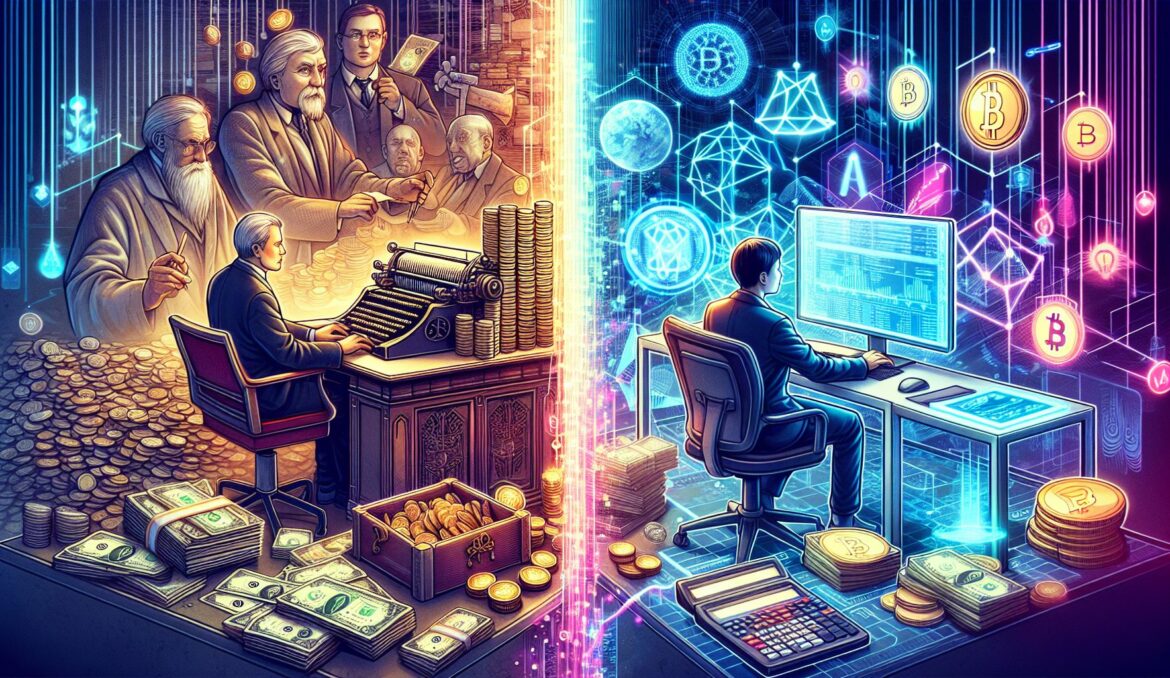
The world of finance is undergoing a seismic shift, with the emergence of decentralized finance (DeFi) leading the charge towards a more open, accessible, and transparent financial ecosystem. DeFi eliminates the need for traditional financial intermediaries by leveraging blockchain technology to empower individuals with peer-to-peer transactions. In this post, we’ll delve into what makes DeFi a revolution in the making and how it’s set to transform our financial landscape.
Introduction
Decentralized finance, commonly known as DeFi, is a breakthrough development that is poised to disrupt the traditional banking sector. By using blockchain, particularly the Ethereum network, DeFi platforms allow users to lend, borrow, and trade financial instruments without the need for traditional financial institutions. In doing so, DeFi promises greater financial inclusivity, improved security, and amplified yields compared to traditional finance (TradFi).
Body
At its core, DeFi is built upon smart contracts, which are self-executing contracts with the terms of the agreement directly written into lines of code. These smart contracts are the backbone of DeFi applications (dApps), automating financial transactions and agreements while also ensuring they are transparent and tamper-proof.
One of the most significant advantages of DeFi is the democratization of finance. By removing the gatekeepers, DeFi gives access to financial services to anyone with an internet connection. This opens doors for unbanked populations around the globe, providing them with opportunities to save, invest, and even secure loans.
The potential for earning is another factor drawing users towards DeFi. With platforms offering yield farming, liquidity mining, and staking, investors have the chance to earn much higher interest rates compared to those offered by traditional banks. This is made possible by the efficient use of assets within the DeFi ecosystem, where every token can be maximized for returns.
Security in DeFi is another hallmark, with blockchain technology offering resistance against fraud and unauthorized access. The decentralized nature of blockchain makes it nigh impregnable to hacks, although DeFi platforms themselves need to be vigilant against vulnerabilities.
However, DeFi is not without its challenges. The complexity of dApps and the necessity of managing private keys can be daunting for new users. Additionally, the regulatory landscape is still uncertain, with governments and financial authorities pondering over how to approach this novel domain.
Summary
Decentralized finance heralds a new era in the way we think about money and investment. Providing open access to financial services and the potential for significant returns, DeFi is attracting a growing number of participants. While challenges remain, the burgeoning DeFi ecosystem is a testament to the transformative power of blockchain technology. As the space continues to mature, it may well redefine the financial sector as we know it, building a more inclusive and empowering future for all.